From an idea to a sports ecosystem.
I designed the Teamateur experience from scratch to bring the needs of amateur players, venue owners, and tournament organizers into one product.
Splash screen
A brand detail: the animation every person sees when opening the app, right before reaching the home screen.
The challenge
The amateur athlete experience is often fragmented across chats, informal contacts, spreadsheets, and isolated tools. Teamateur was created to bring the player’s day-to-day experience —and the people who enable it— into a single platform.
Player
Book venues, create and manage teams, organize matches, participate in the community, and compete in tournaments.
Venue owner
Manage venues, availability, bookings, and operations within the ecosystem.
Organizer
Create and manage tournaments, teams, fixtures, standings, players, roles, and plans.
A connected ecosystem
The experience was designed as a system of connected journeys, not a gallery of screens. Booking, playing, managing a team, connecting with other users, and competing all share the same product logic.
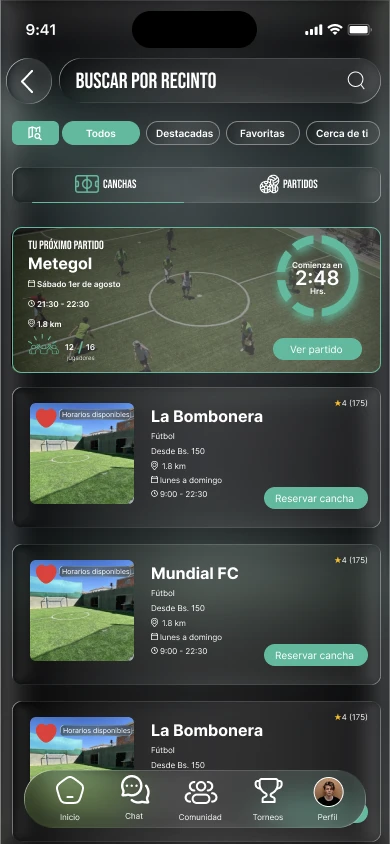
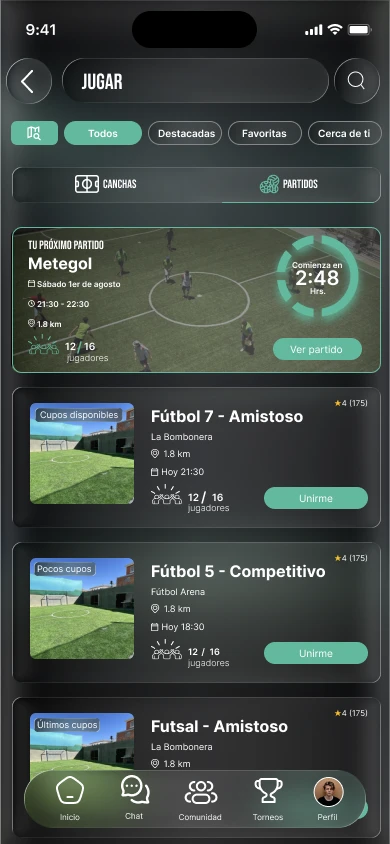
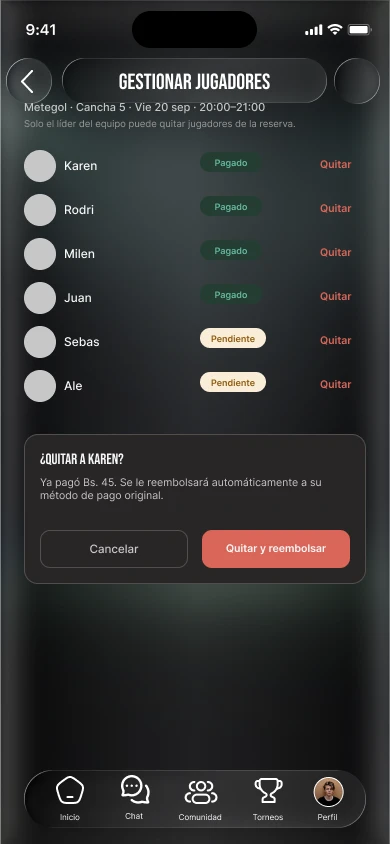
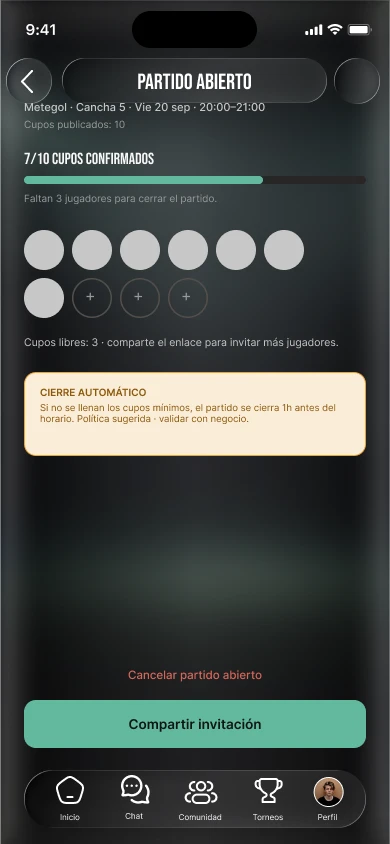
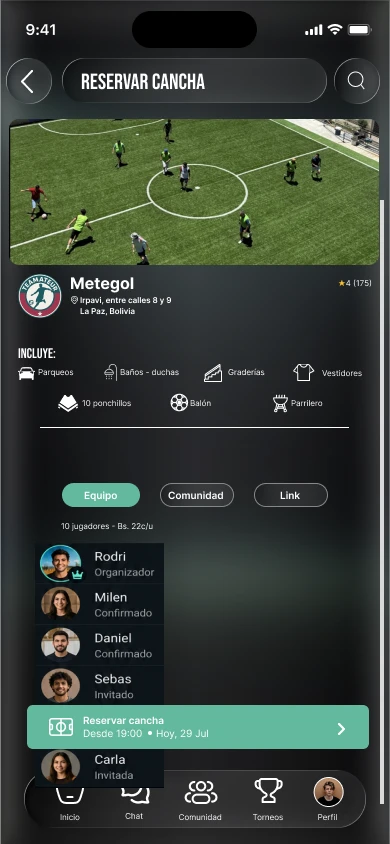
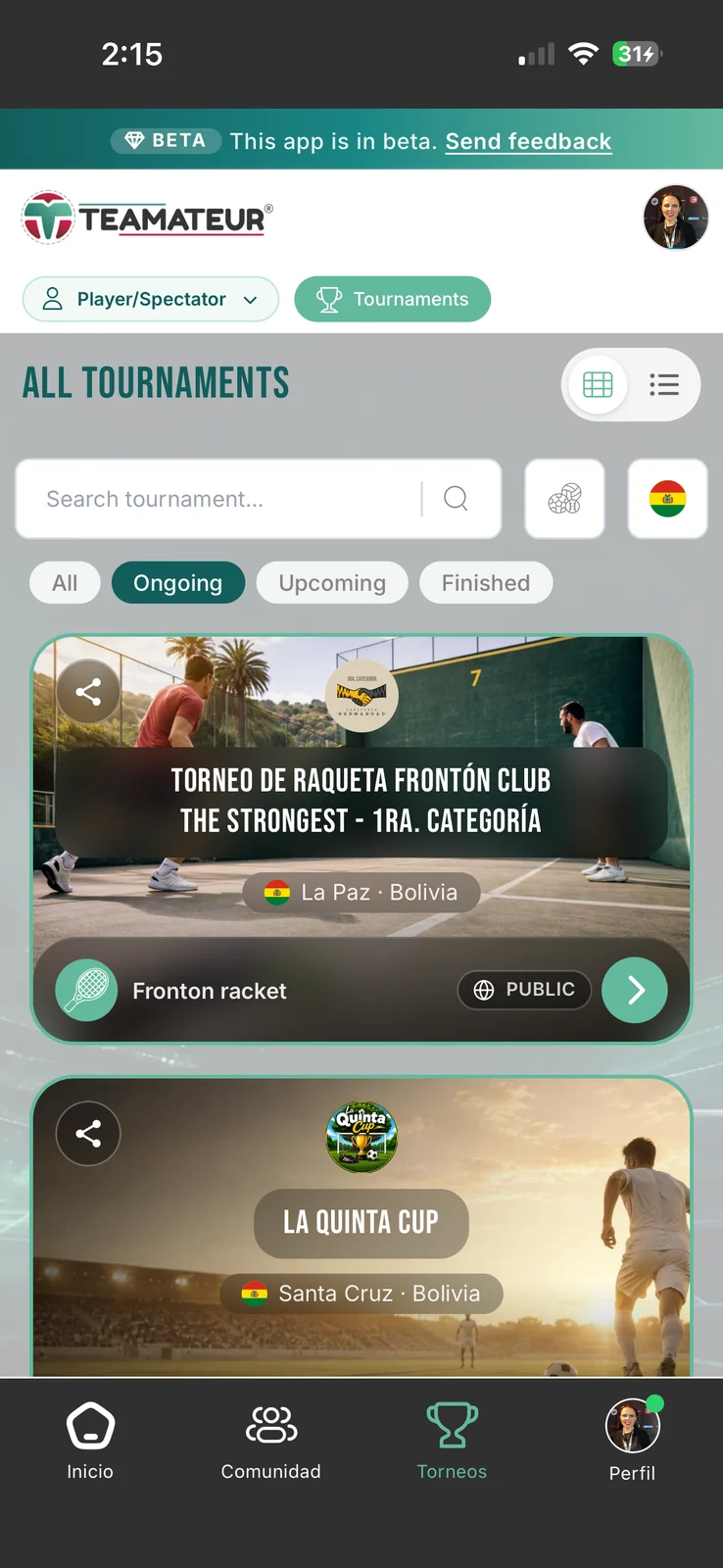
Product evolution
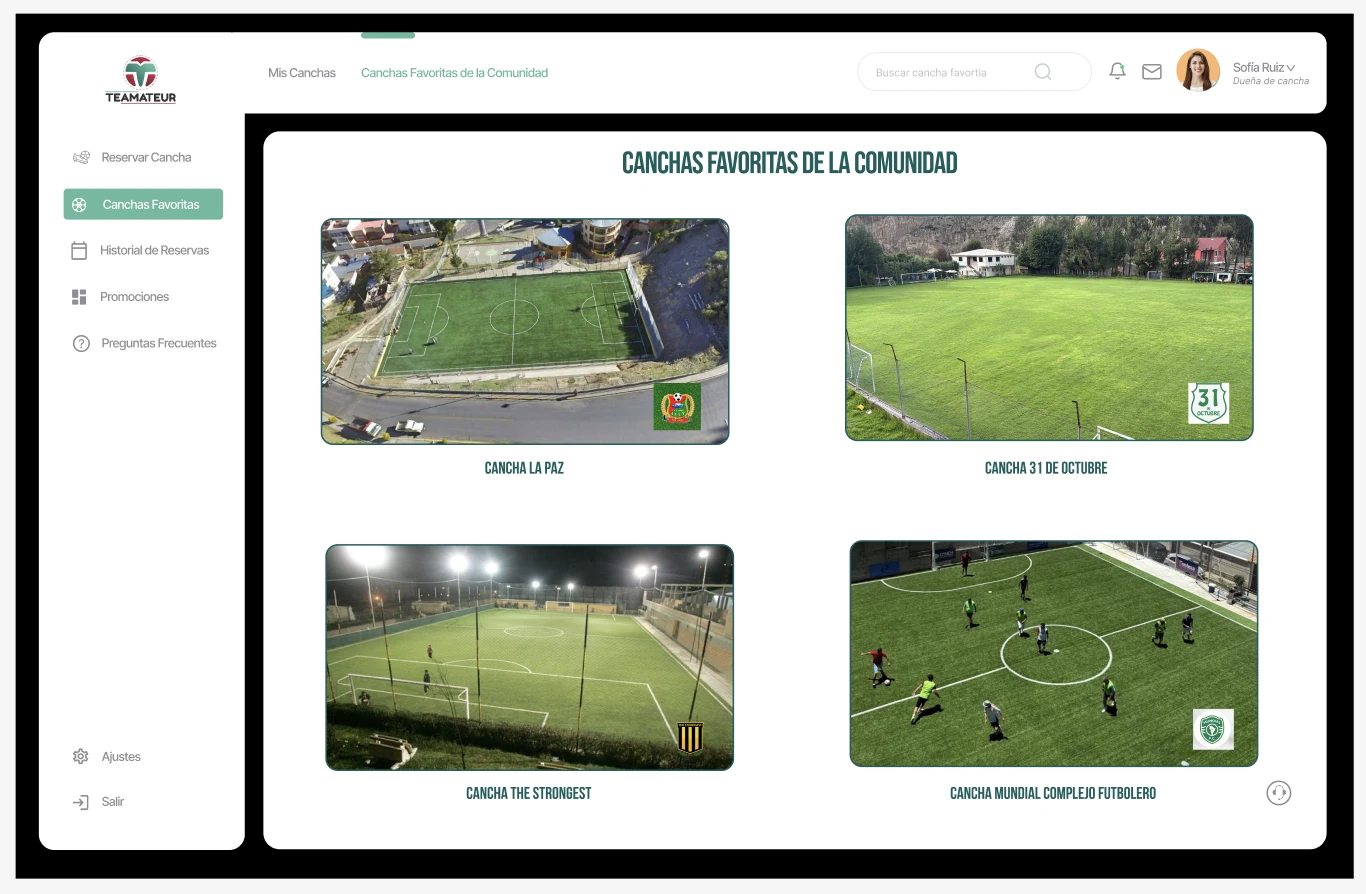
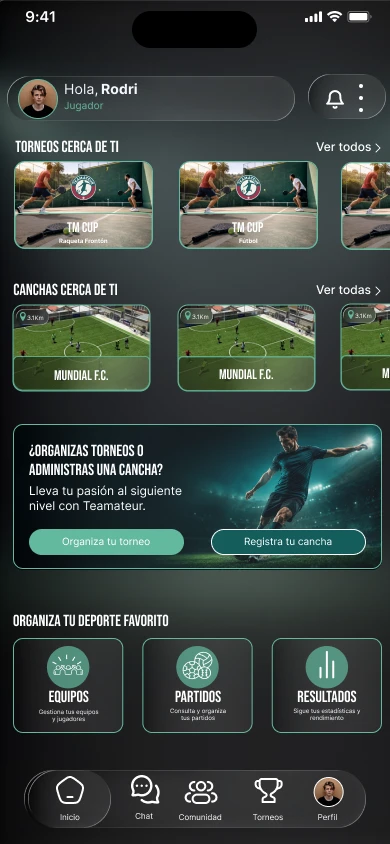
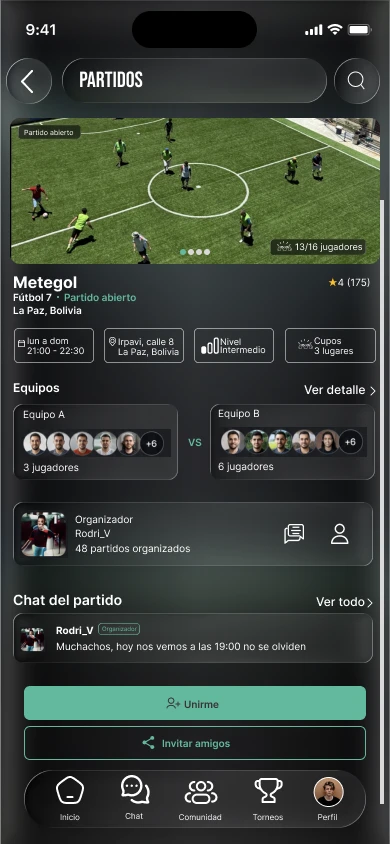
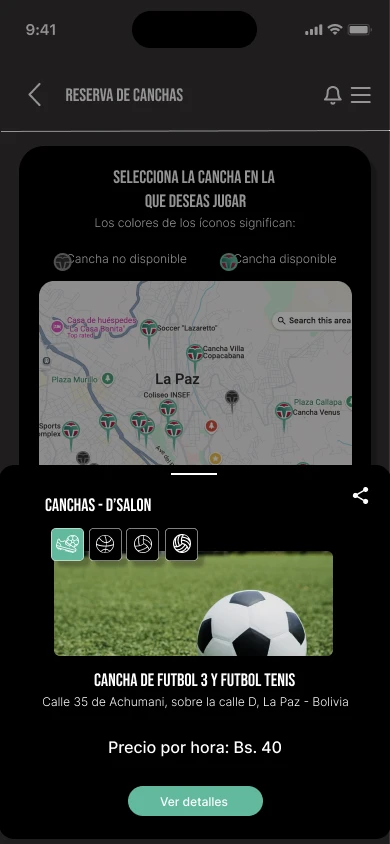
The light interfaces correspond to the product’s early stages. The dark interfaces represent the current evolution. The change reflects sustained improvements in usability, hierarchy, information density, visual consistency, and functional depth.
Venue booking and management as the core of a still-limited product.
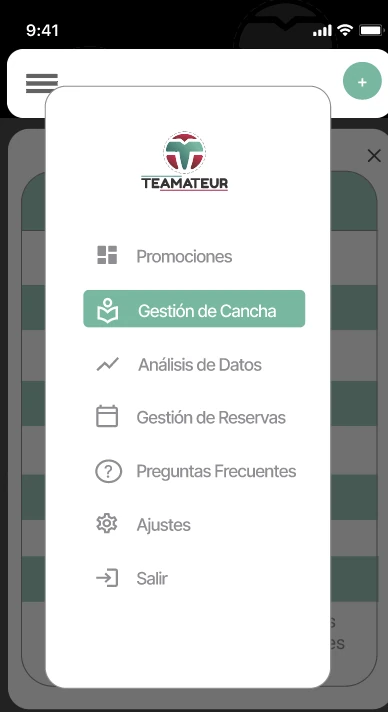
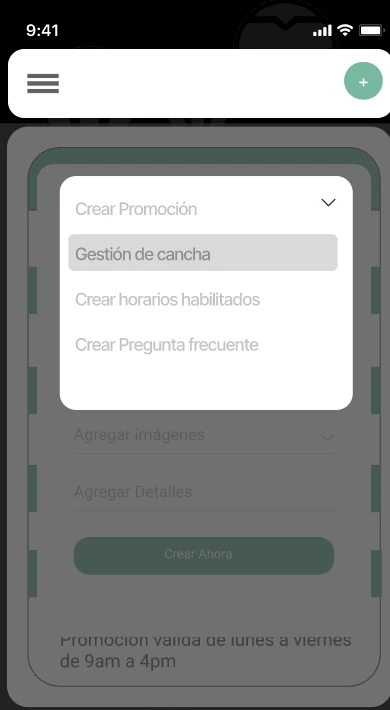
A more consistent experience connecting venues, matches, teams, data, community, and tournaments.
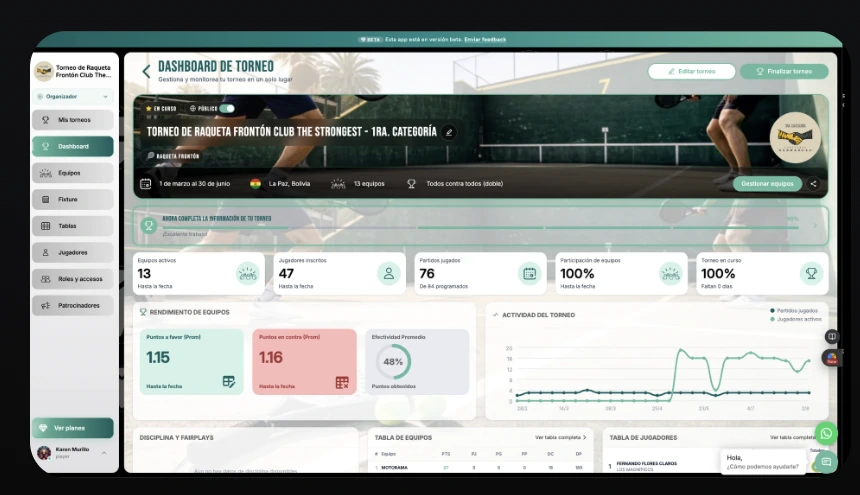
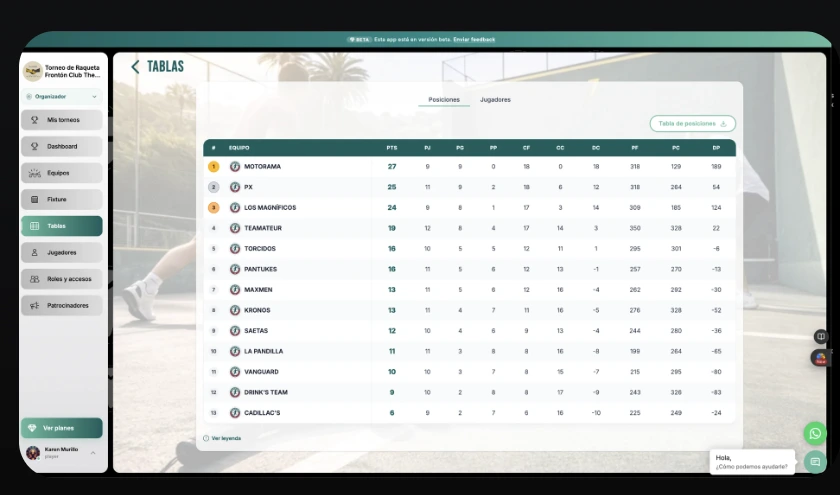
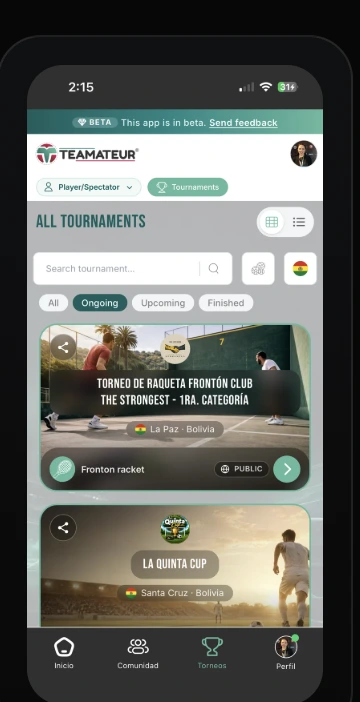
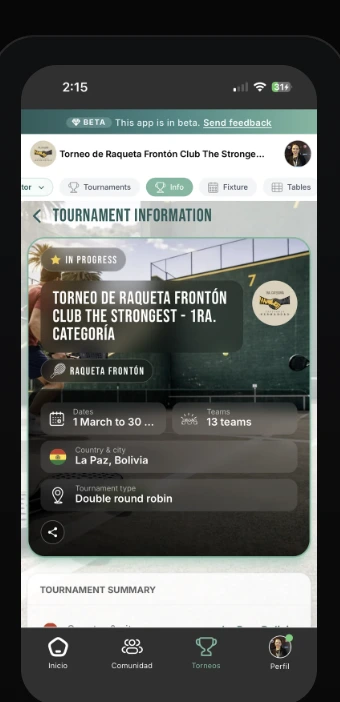
Tournaments: product for organizers and players
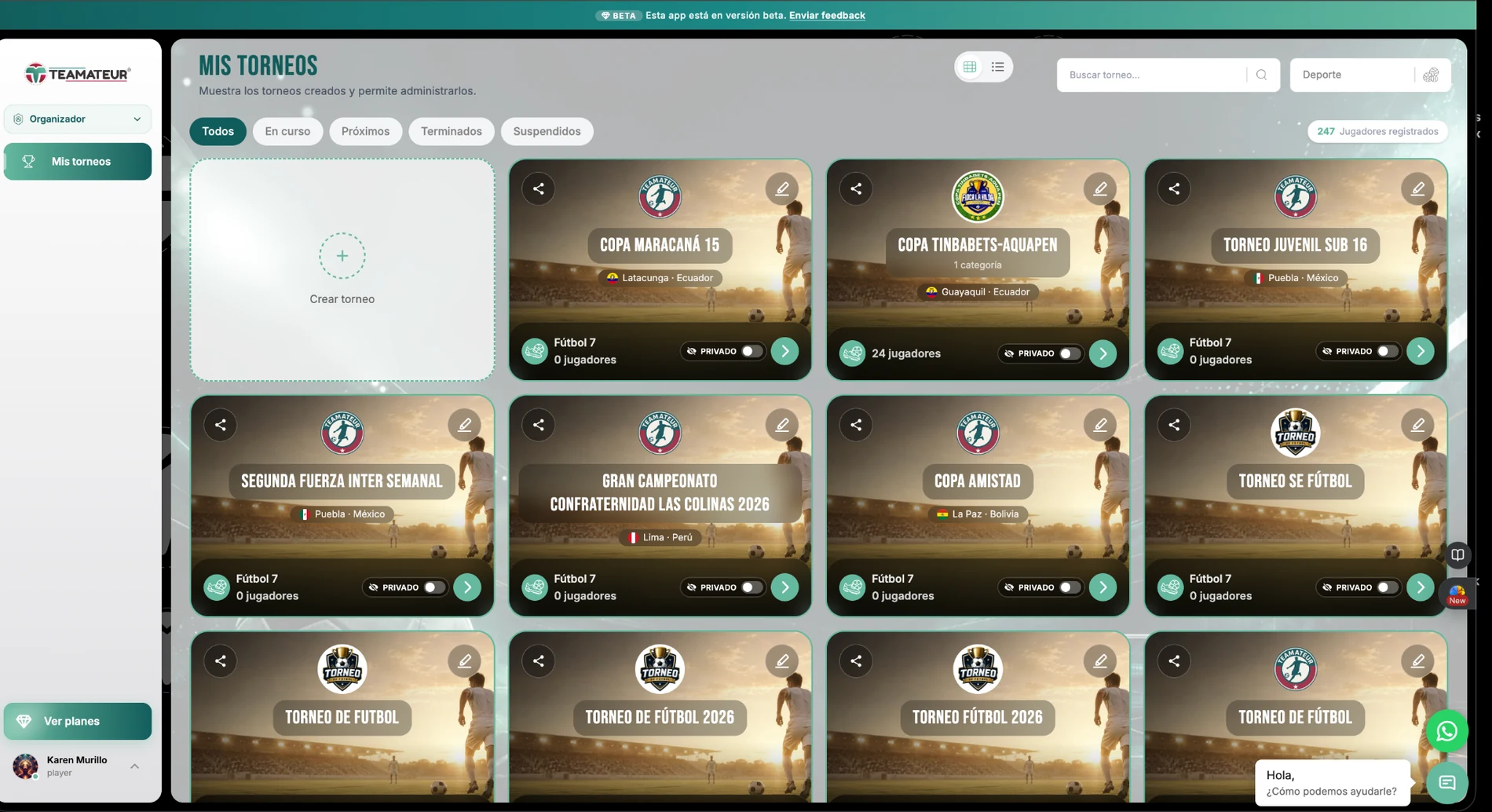
The tournament module expands the system’s complexity. From the app, players can discover and participate. From the operational web platform, organizers manage tournaments through dashboards, teams, fixtures, standings, players, roles, and sponsors.
Product & business model
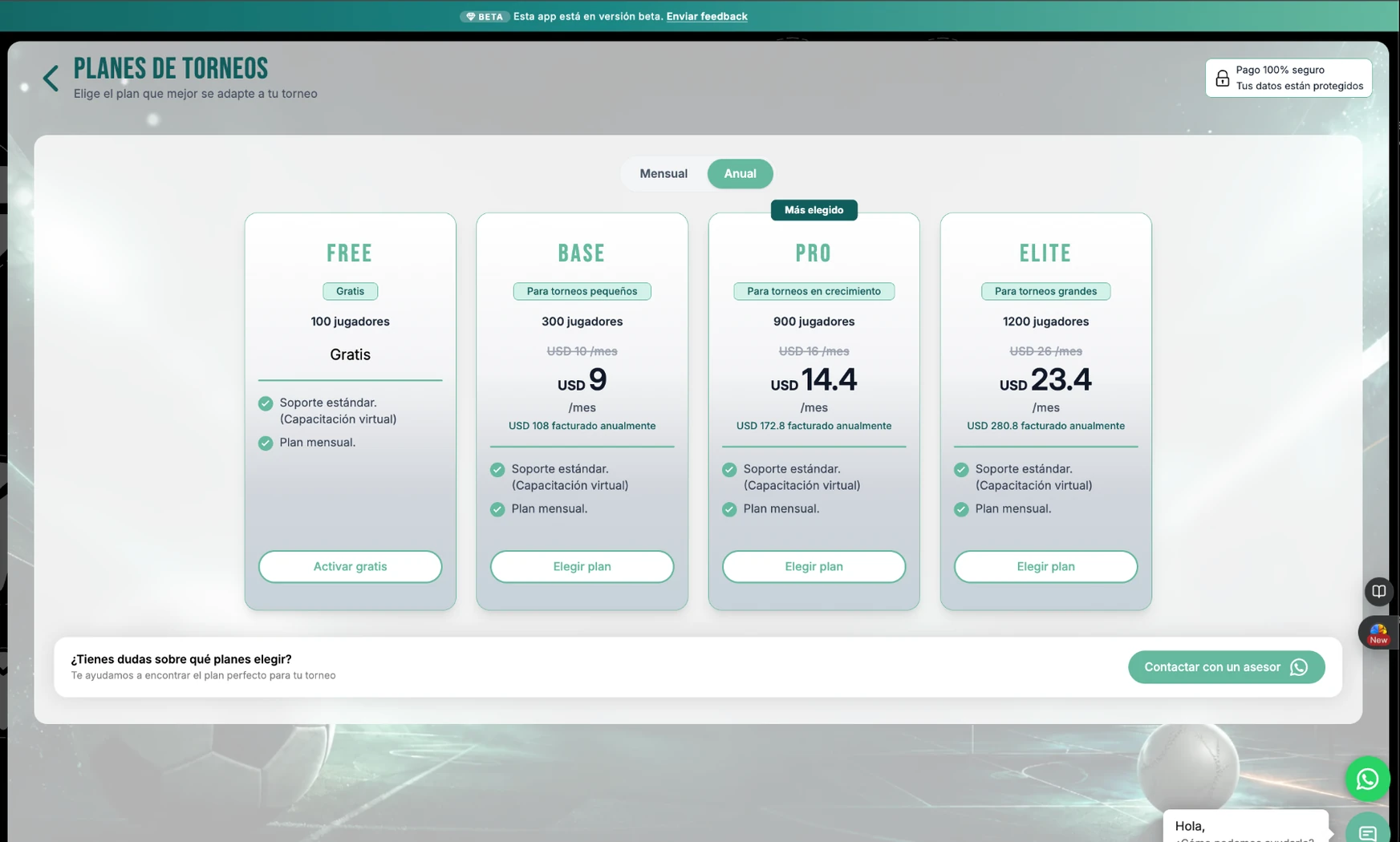
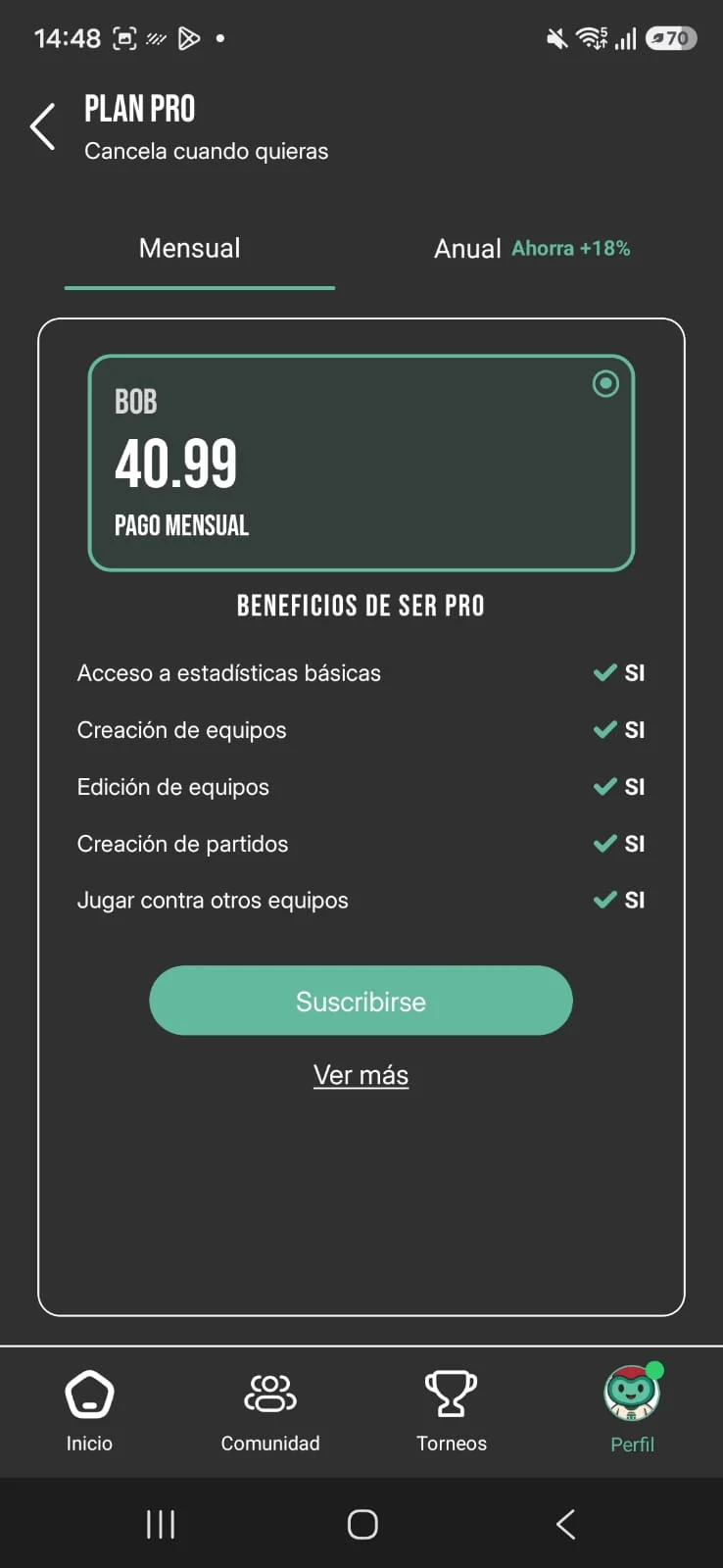
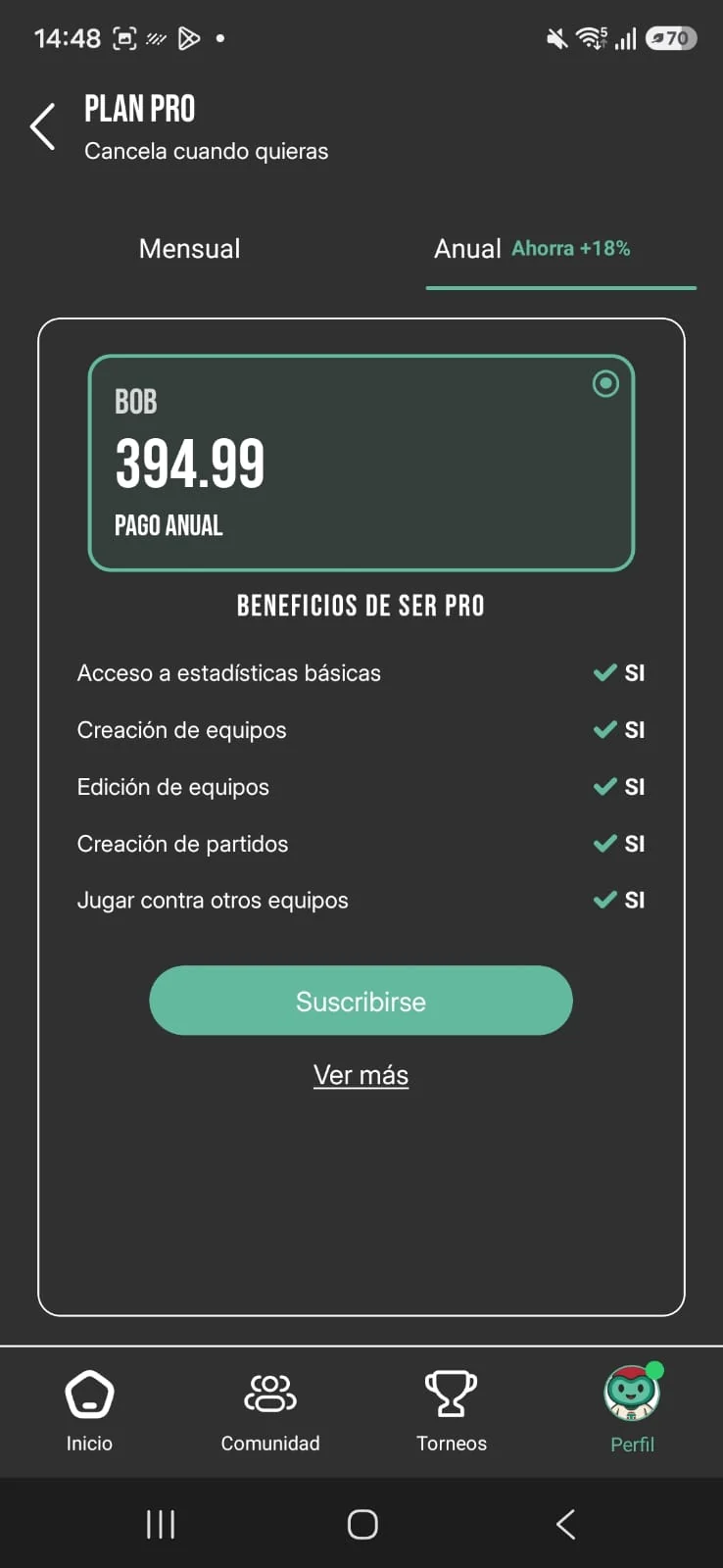
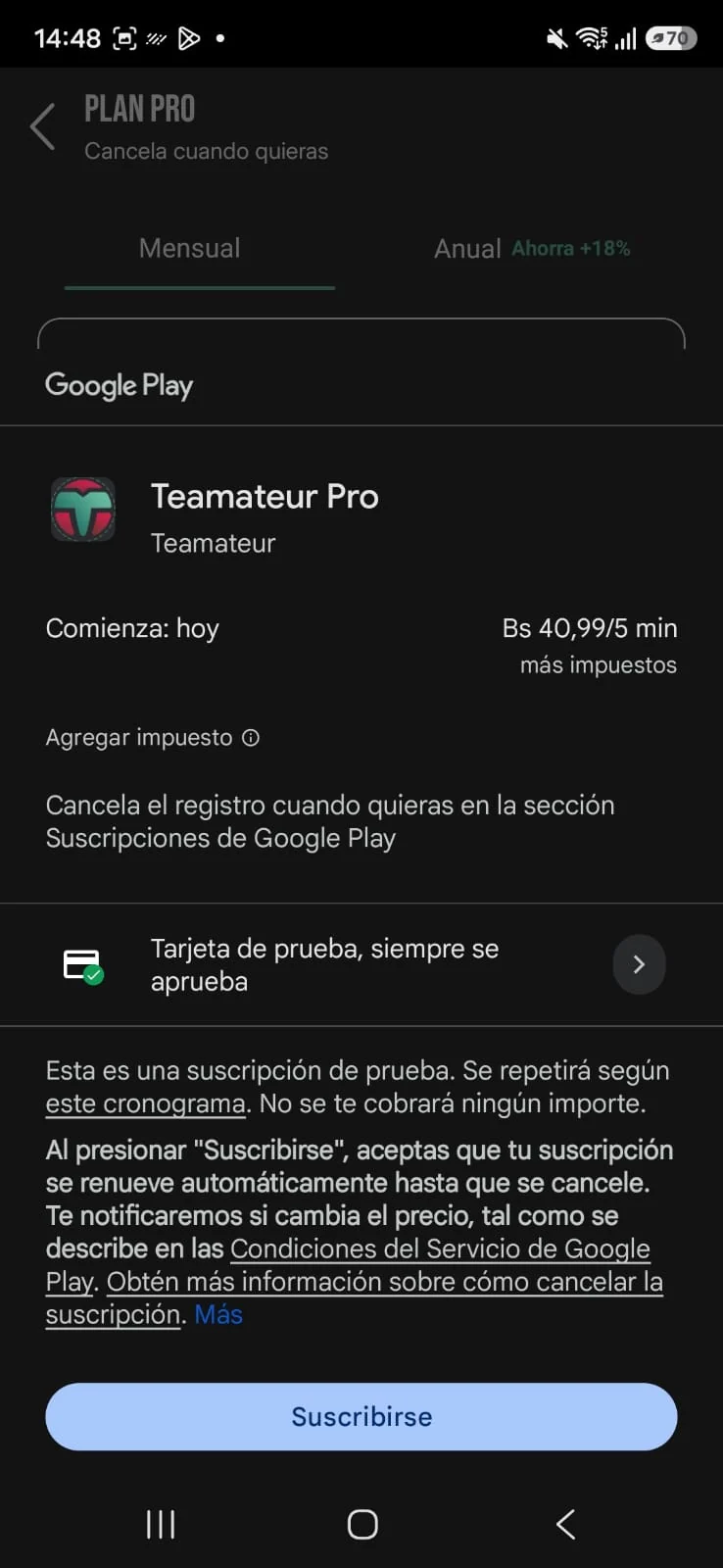
The experience also needed to support a business model. Teamateur includes plans for tournament organizers and a PRO offering for players, connecting perceived value, capabilities, and conversion.
Product validation and learning
Teamateur evolved through conversations and feedback from players, venue owners and tournament organizers, together with signals from registration, activity and operational friction. This evidence helped prioritize journeys, clarify states and refine the value proposition.
Users
Needs, language, expectations and obstacles across each role.
Operations
Real issues identified in bookings, teams, matches and tournaments.
Data
Registration, activity and growth signals used to guide iterations.
Architecture & flows
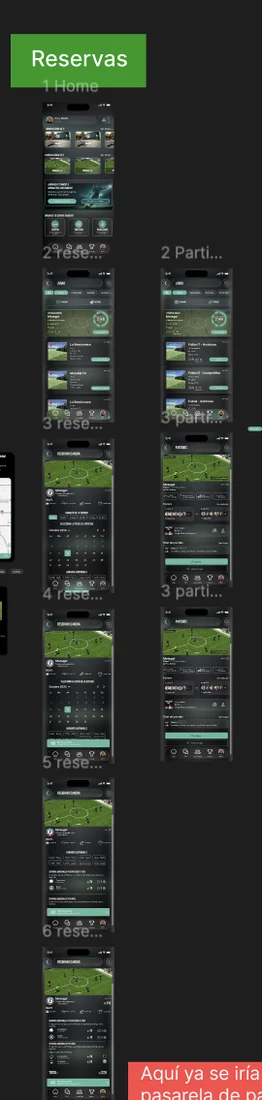
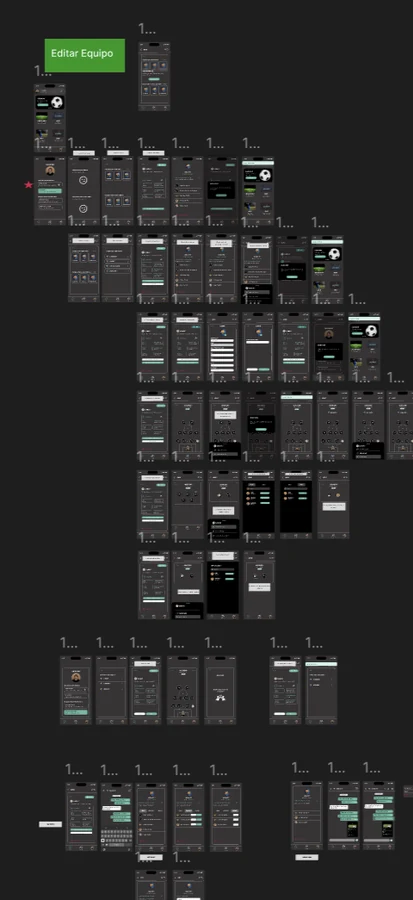
Figma documents the depth of the work, but here I show concrete journeys so the process remains readable. In my current workflow, I use Claude and ChatGPT to extend hypotheses, review edge cases and structure documentation; Figma Make helps me turn selected flows into functional prototypes faster.
Results & milestones
This case presents screens and product decisions designed or led by me. The current corporate landing page at teamateur.com is not part of my visual authorship.